The Recent Housing Construction Trend
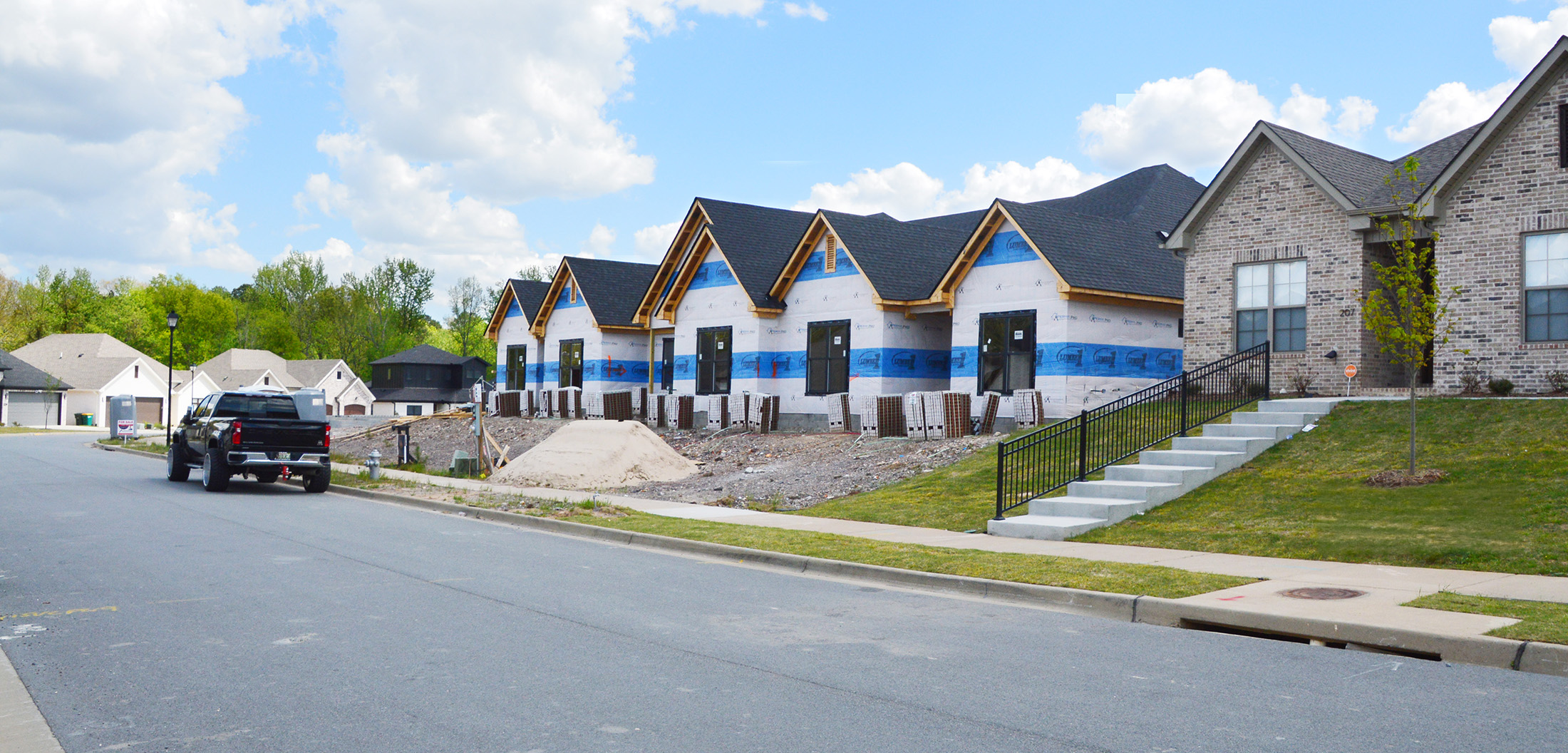
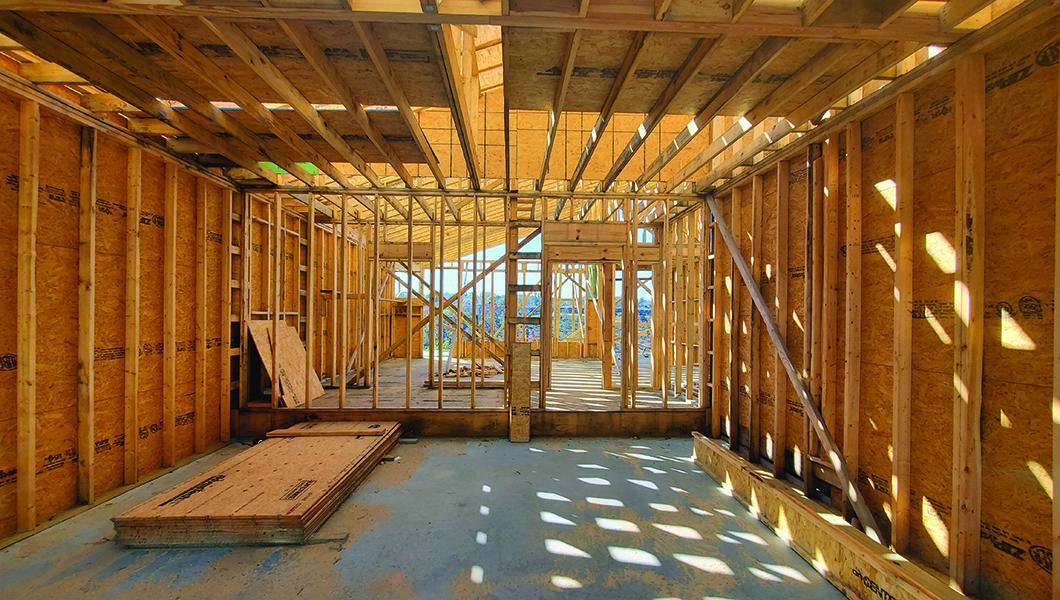
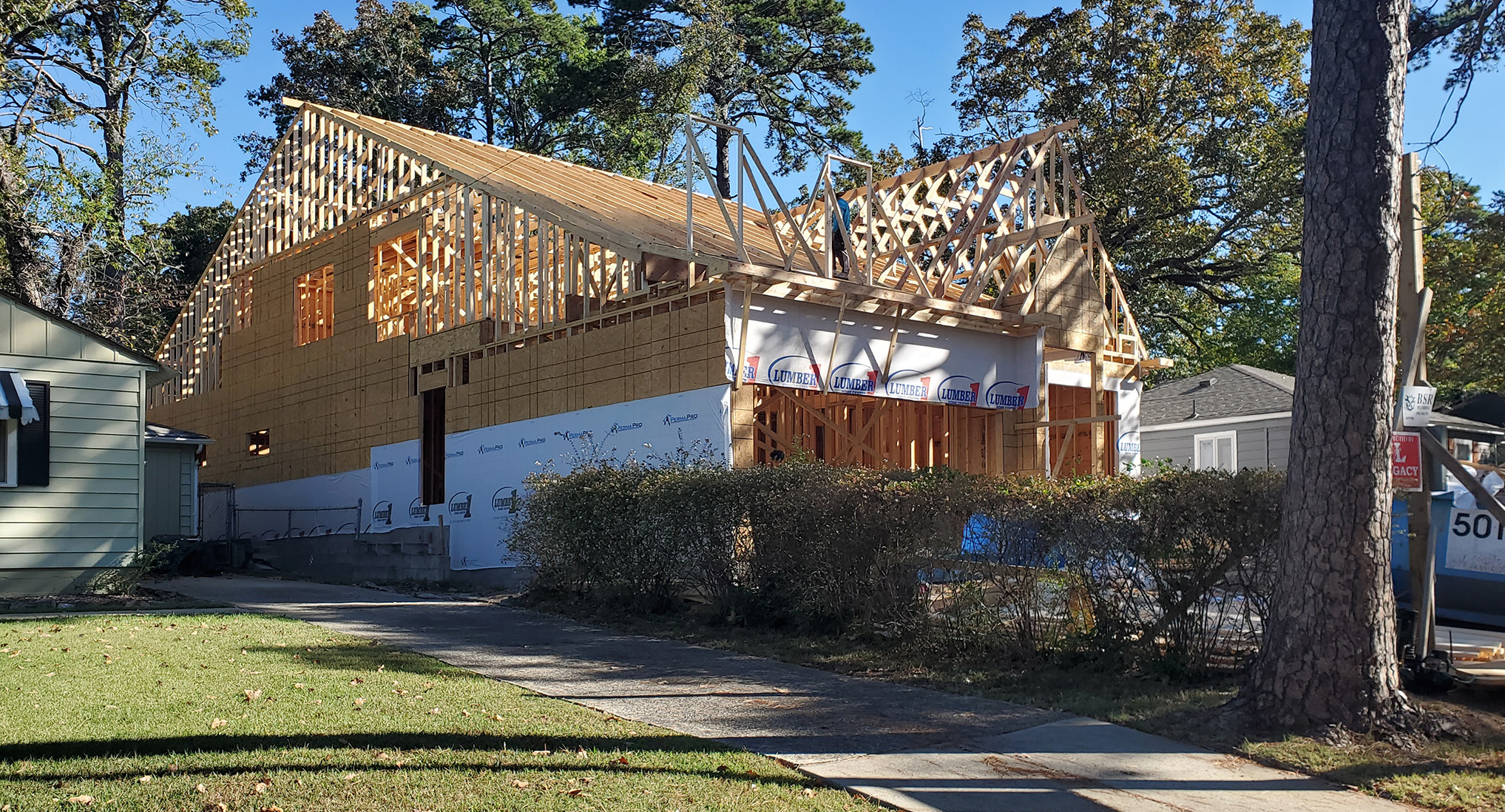
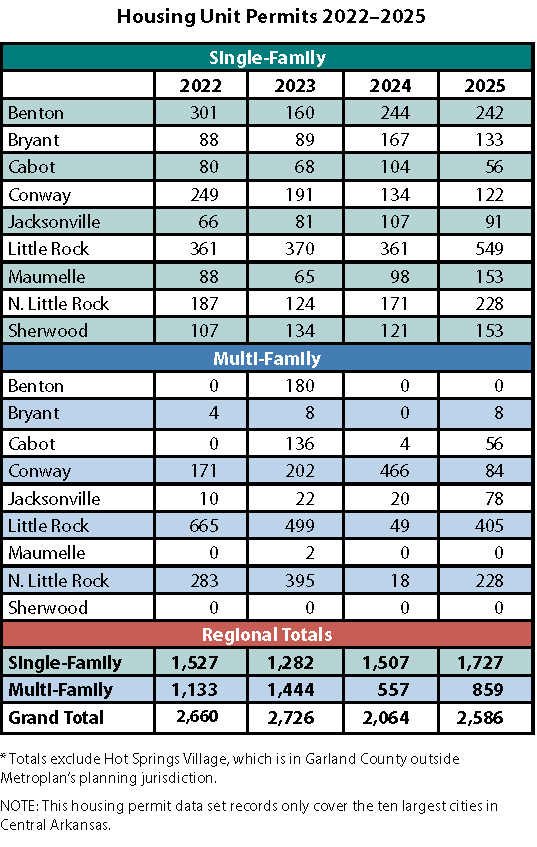
During 2025, regional housing construction maintained a good pace. The single-family sector saw strong gains during 2025, rising over 15 percent above construction levels in 2024. Cities within Pulaski County saw the biggest gains. Maumelle built 153 new units, up 56 percent over the previous year. Little Rock built 549 new units, a 52 percent gain and the city’s most single-family units built since 2007. North Little Rock was up 33 percent, and Sherwood gained 26 percent. Cities outside Pulaski County saw net decline in new units compared with 2024, but still built a lot of homes, with 242 units in Benton, 133 in Bryant and 122 in Conway.
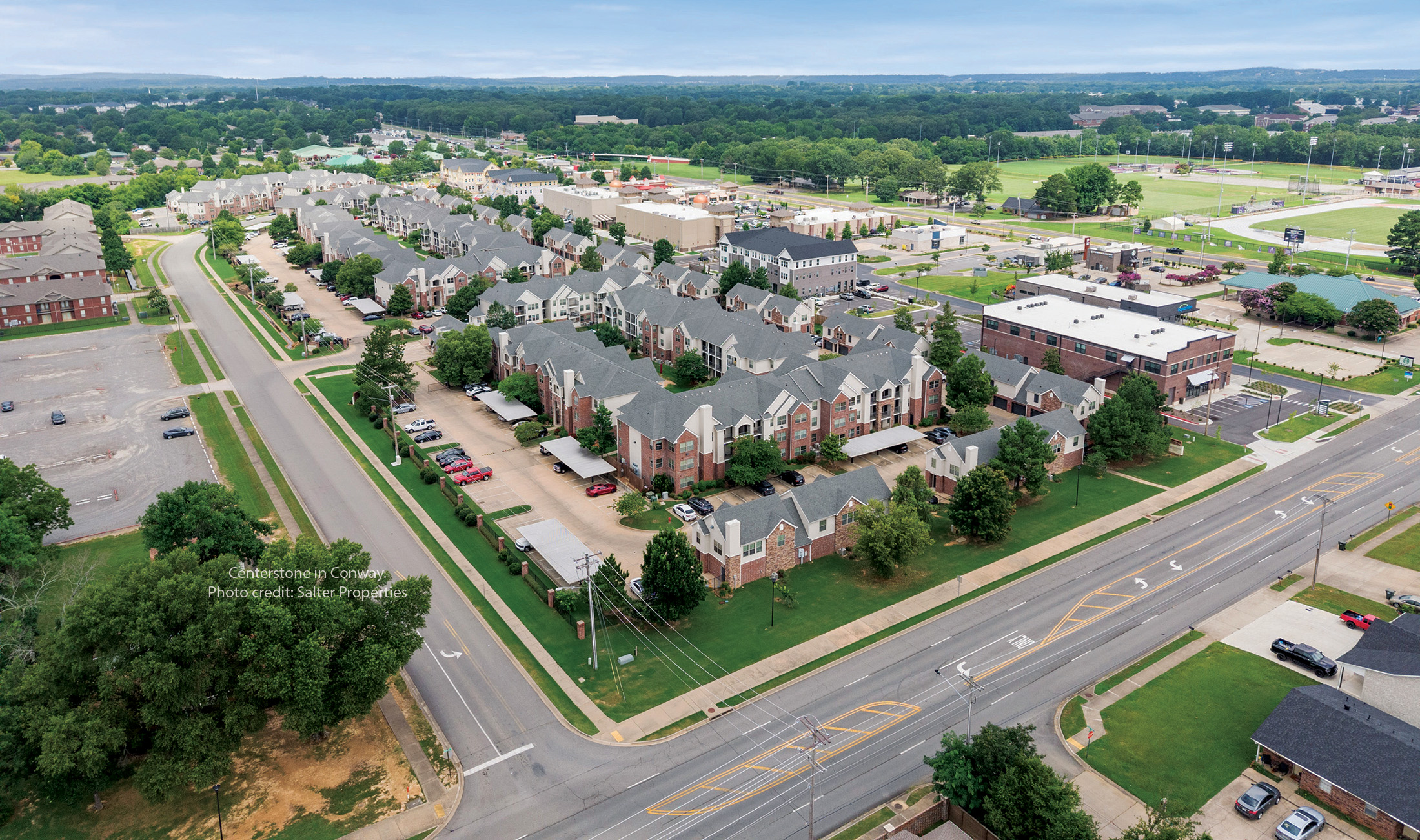
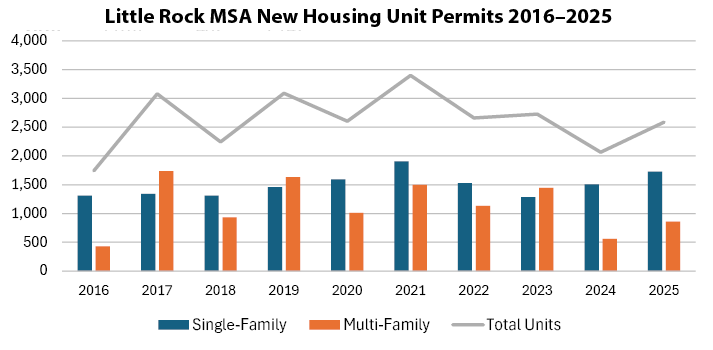
Total multi-family construction was up from 2024, but still below average for the 2016–2025 period. Little Rock saw 405 new multi-family units started during 2025, mostly in southwestern Little Rock. North Little Rock saw 228 additional units, mainly at the Pointe North Hills in Lakewood, with some additional units in Argenta. Cabot, Conway and Jacksonville also saw smaller scale multi-family construction, mostly in the form of duplex and triplex units.
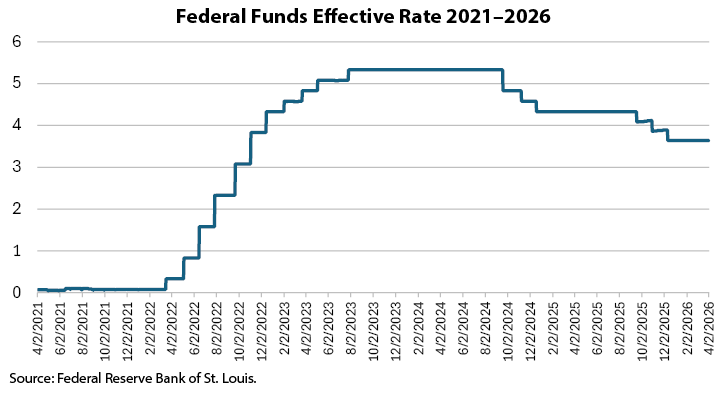
Some of the strength in housing construction can be attributed to interest rate reductions in late 2024 and again in late 2025. Further rate reductions were widely expected until energy prices surged in March and April of 2026.
The Affordability Question: A Closer Look
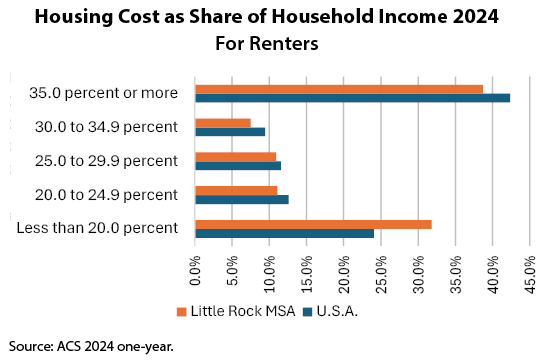
The chart below is the “renter” version of the chart depicting housing costs for homeowners on page 3. As you can see, about 32 percent of Central Arkansas renters pay under 20 percent of their incomes on rent, compared with 24 percent of U.S. residents overall. Despite this favorable statistic, nearly 39 percent of local renters pay 35 percent or more of their incomes on rent—still better than the U.S. average of 42 percent paying over 35 percent.
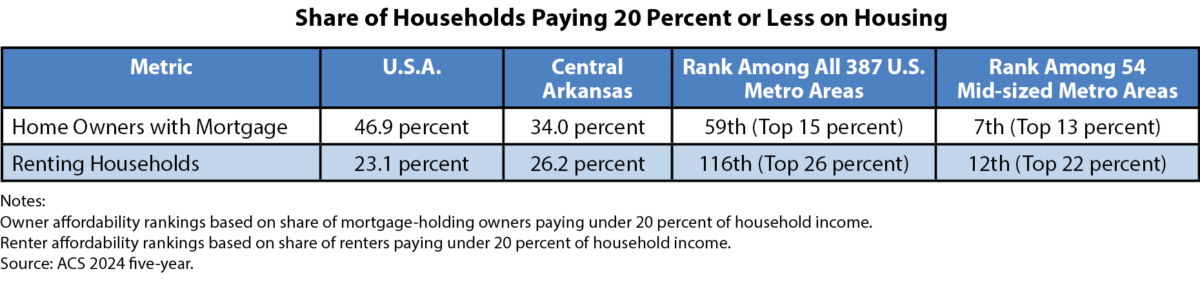
The table below gives rankings comparing the share of locals paying 20 percent or less of their incomes on mortgages or rent. The Little Rock region compares favorably against most other U.S. metro areas for both renters and owners.
Recent Posts
October 02, 2026
Metrotrends Demographic Review and Outlook 2026: Housing
September 21, 2026
Metrotrends Demographic Review and Outlook 2026
January 05, 2026
Press Release: 2025 Metrotrends Economic Review and Outlook